Pituitary Disorder
Home - Pituitary Disorder
Understanding Pituitary Disorders
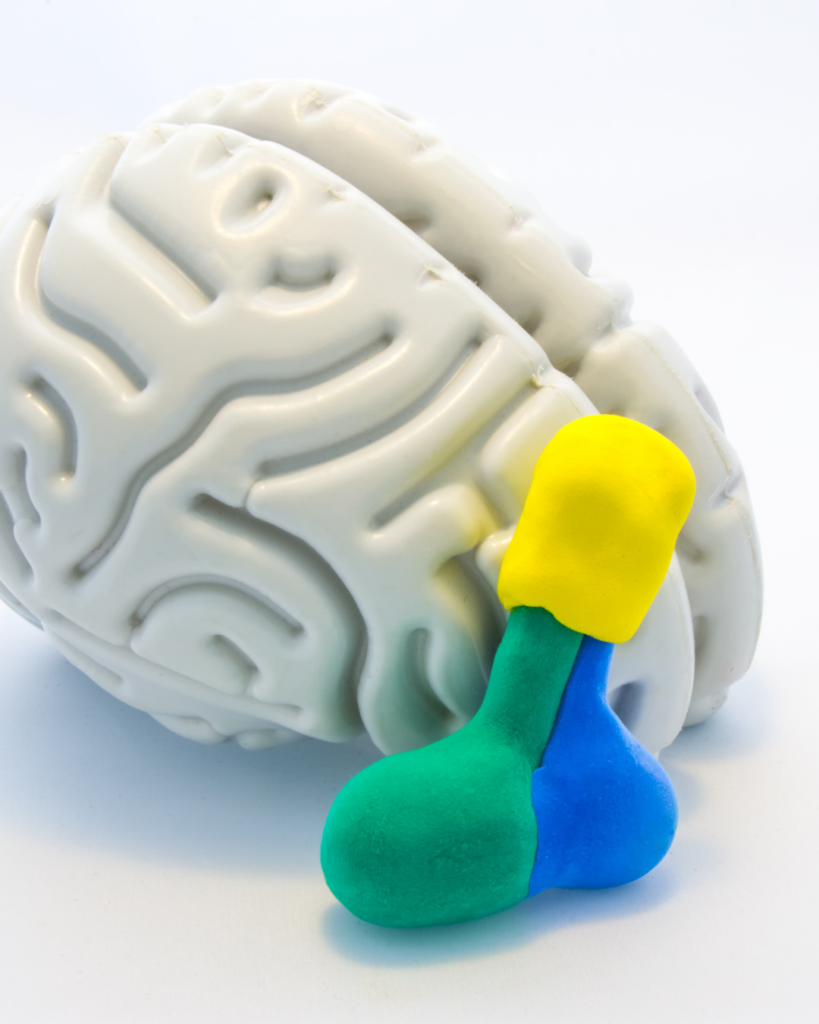
Pituitary disorders are a group of conditions that affect the pituitary gland — a small but powerful gland located at the base of the brain. Often called the “master gland,” the pituitary controls the activity of other endocrine glands and helps regulate many important body functions by releasing hormones. When the pituitary gland doesn’t work properly, it can cause hormone imbalances that lead to a variety of health problems. Symptoms of pituitary disorders can vary but often include fatigue, weight changes, growth problems, and reproductive issues, depending on which hormones are involved.
One of the most common pituitary problems is hypopituitarism, where the gland doesn’t produce enough of one or more hormones. This can be caused by tumors, head injuries, infections, or genetic conditions. People with hypopituitarism might experience symptoms like low sex drive, trouble having children, or — in the case of children — poor growth. Diagnosis usually involves blood tests to check hormone levels, MRI scans to look for any structural problems, and a detailed clinical evaluation. Treatment typically focuses on hormone replacement therapy to bring hormone levels back to normal and ease symptoms.
Another major pituitary issue is the development of pituitary tumors. Most of these tumors, called adenomas, are non-cancerous, but they can still cause problems. Some tumors make too many hormones, while others press on nearby parts of the brain, leading to headaches or vision problems. Treatment depends on the size and type of the tumor and may include surgery, radiation therapy, or medications to manage hormone production.
Catching pituitary disorders early and treating them properly is very important for maintaining good health and quality of life. Regular check-ups and careful monitoring help ensure hormone levels stay balanced and treatments are adjusted as needed.